
Blood Spill Cleanup: Safe and Structured Process by American Family Bioclean
Lakeland, United States - February 3, 2026 / Moving Service Marketing Company /
Blood spills require prompt, careful action to protect health, prevent contamination, and avoid long-term damage to property. In Florida, these situations can become more urgent due to the state’s warm climate and high humidity, which can speed up the growth of bacteria and odors if blood is not addressed quickly. Whether the spill occurs in a home, workplace, or commercial setting, knowing the proper steps helps reduce health risks and limit confusion during an already stressful situation. This guide explains American Family Bioclean’s step-by-step approach to blood spill cleanup, outlining how safety, proper tools, and thorough procedures work together to restore affected areas correctly and responsibly.

Essential Safety Precautions
Blood spills are not simply a cleaning issue; they pose real health concerns that require serious attention. Blood can carry harmful pathogens, including Hepatitis B, Hepatitis C, and HIV, which are capable of surviving in dried blood for extended periods. Even small spills can present a risk if handled incorrectly. For this reason, following safety precautions is critical to reducing exposure and protecting everyone involved.
The first step is always to carefully assess the situation. Before any cleanup begins, it is important to check for immediate hazards in the area. Broken glass, sharp objects, or damaged furniture can increase the risk of injury. Taking a moment to evaluate the surroundings helps prevent accidents and ensures the cleanup process starts safely.
Once the area has been assessed, it should be isolated. Restricting access by closing doors, placing barriers, or posting warning signs helps prevent unprotected individuals from entering the contaminated space. This step reduces the risk of cross-contamination and clearly indicates that the area requires controlled handling.
Ventilation is another important safety measure. While bloodborne pathogens are not spread through the air, cleaning chemicals and disturbed particles can affect air quality. Opening windows or using fans improves airflow and helps reduce irritation caused by chemical fumes during disinfection.
There are situations where cleanup should not proceed without professional or legal involvement. If the blood spill is connected to a crime scene, involves a large volume of blood, or raises legal concerns, local authorities or certified biohazard professionals should be contacted. This ensures proper procedures are followed and that evidence or regulations are not compromised.
Key safety steps include:
- Assess the situation to identify immediate hazards.
- Isolate the area to prevent unauthorized access.
- Ventilate the space to maintain safe air quality.
- Contact authorities or professionals when required.
Taking these precautions sets a strong foundation for the cleanup process. Once safety is established, attention can turn to gathering the right equipment for the job.
Gathering Necessary Equipment
Blood spill cleanup requires more than standard household cleaning supplies. Specialized equipment is necessary to protect individuals, prevent contamination, and ensure hazardous materials are handled correctly. Preparing these items in advance helps streamline the cleanup and reduces the risk of mistakes.
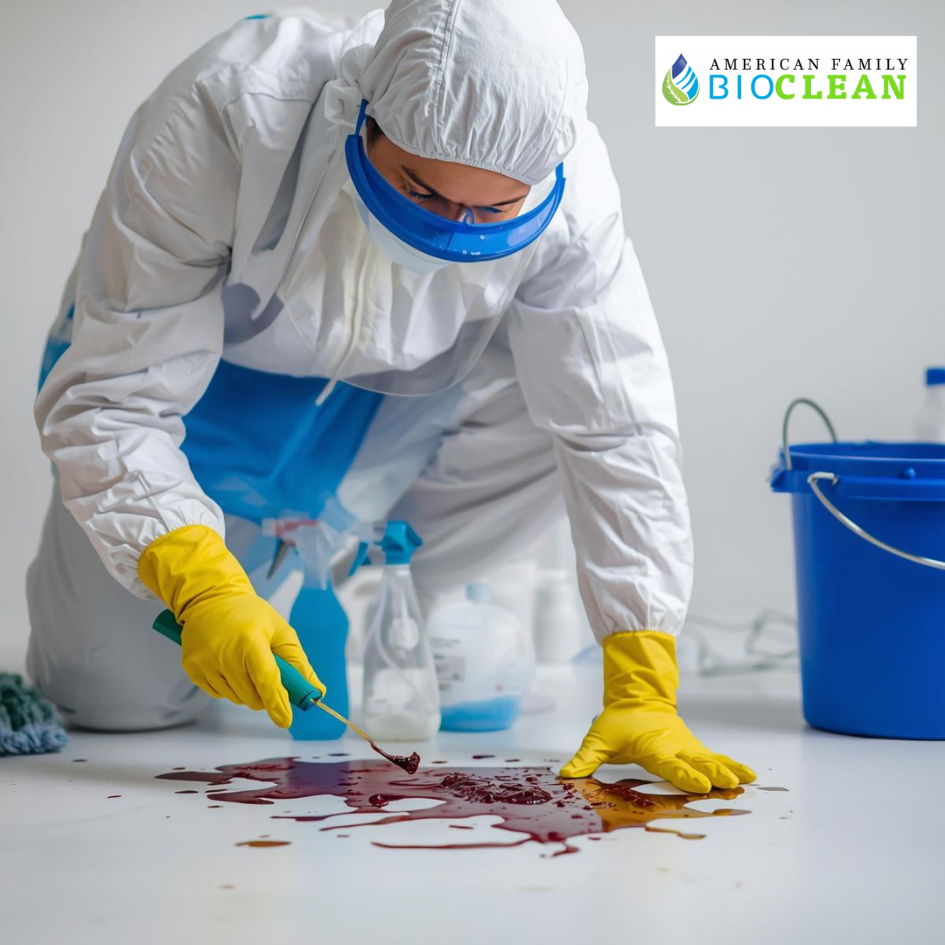
Personal Protective Equipment (PPE) is the most important part of this preparation. Disposable gloves are essential and serve as the first line of defense against direct contact with blood. Additional protection, such as masks, face shields, and protective gowns, helps shield the face, clothing, and skin from splashes or contact during cleanup.
Absorbent materials are also required to manage the blood itself. Disposable paper towels or absorbent pads are preferred because they can be safely discarded after use. Reusable cloths should be avoided, as they are difficult to fully decontaminate and can spread pathogens if reused.
Choosing the right disinfectant is equally important. EPA-registered disinfectants are specifically tested to neutralize bloodborne pathogens. These products are designed to break down harmful microorganisms and provide protection that ordinary cleaners cannot.
Proper disposal supplies are often overlooked but are critical to safe cleanup. Biohazard bags are designed to securely contain contaminated materials and prevent leaks. All items that come into contact with blood must be placed in these bags for proper disposal.
In cases where needles or sharp objects are present, approved sharps containers must be used. These containers are puncture-resistant, helping prevent injuries during handling and disposal.
Having all necessary equipment ready before starting the cleanup reduces interruptions and lowers the risk of exposure. Organized preparation ensures the process can be completed efficiently and safely, leading to the correct use of protective gear.
Using Personal Protective Equipment
Personal Protective Equipment serves as the primary barrier between individuals and potential exposure during blood spill cleanup. Gloves should be put on first, with many professionals choosing to wear two pairs for added protection. Double-gloving reduces the risk of exposure if the outer glove is damaged. Gloves should fit properly to allow safe movement and tool handling.
Face protection is the next priority. Masks help prevent inhalation of particles released during cleaning, while goggles or safety glasses protect the eyes from splashes. Eye protection is often underestimated, but exposure through the eyes can lead to serious infections.
Protective gowns made from impermeable materials provide additional coverage. Blood can spread unexpectedly during cleanup, and gowns help prevent contamination of clothing and skin. This is especially important when moving between rooms or handling large spills.
Face shields may also be used for full-face protection, particularly in situations with a higher risk of splashing. This level of coverage helps reduce exposure and supports a safer cleanup process.
Before starting, all PPE should be inspected for defects such as tears or weak seams. Even small issues can compromise protection. PPE designed for biohazard cleanup meets standards that help guard against pathogens commonly found in blood.
Using PPE correctly helps protect individuals and limits the spread of contamination. With protective gear in place, the focus can shift to the cleaning and disinfection process itself.
Effective Cleaning and Disinfection
Cleaning a blood spill requires a structured approach that goes beyond removing visible stains. The goal is to eliminate pathogens that may not be seen while preventing contamination from spreading to other areas.
The first step is absorption. Disposable towels or absorbent materials are used to soak up as much blood as possible. Care should be taken to blot rather than wipe aggressively, as this can spread contamination or push blood deeper into surfaces.
Once the visible blood is absorbed, an EPA-registered disinfectant is applied to the affected area. The surface must remain wet for the recommended contact time, usually around ten minutes, to allow the disinfectant to work effectively against pathogens.
After the dwell time, scrubbing begins. Disposable brushes or cloths are used to agitate the surface and remove residue. Special attention is given to cracks, seams, and textured areas where contaminants can remain trapped.
A second round of disinfectant is then applied as an added measure. This step helps address any remaining microorganisms and reinforces the effectiveness of the cleanup.
Step-by-Step Overview
| Initial absorption | Absorbent towels or pads | 5 minutes |
| First disinfection | EPA-registered disinfectant | 10 minutes |
| Scrubbing | Disposable brushes or cloths | 10 minutes |
| Second disinfection | EPA-registered disinfectant | 5 minutes |
Once surfaces are properly cleaned and disinfected, attention turns to the safe disposal of all contaminated materials.
Safe Disposal of Biohazard Waste
Proper disposal is a critical part of blood spill cleanup. Contaminated materials can pose risks long after the cleaning is complete if they are not handled correctly. Safe disposal protects cleanup workers, waste handlers, and the surrounding community.
All items that have come into contact with blood, including gloves, towels, and absorbent materials, must be placed into approved biohazard bags. These bags are designed to prevent leaks and securely contain hazardous materials.
Materials should be placed into the bags carefully to avoid splashing or tearing. Once filled, the bags must be sealed tightly. Overfilling should be avoided to ensure the seal remains intact.
Biohazard containers with clear labeling provide additional protection during storage and transport. These containers help communicate risk and prevent accidental handling by untrained individuals.
In Florida, biohazard waste must be handled by licensed disposal services. These companies are trained to manage, transport, and dispose of hazardous waste in accordance with state and federal regulations. Disposal methods often include incineration or other processes that completely neutralize pathogens.
Placing biohazard waste in regular trash is unsafe and often illegal. Proper disposal ensures that the cleanup process is completed responsibly and in compliance with regulations.
Key Disposal Guidelines
| Use biohazard bags | Prevents leaks | Do not overfill |
| Seal bags securely | Reduces exposure | Double-check seals |
| Use labeled containers | Communicates risk | Use approved symbols |
| Hire licensed services | Ensures compliance | Verify credentials |
| Avoid regular trash | Protects public health | Follow local laws |
With waste properly managed, maintaining cleanliness over time becomes the next priority.
Maintaining Long-Term Cleanliness
Blood spill cleanup does not end with a single cleaning. Ongoing maintenance helps ensure that hazardous residues do not reappear and that environments remain safe. Long-term cleanliness requires consistent effort and structured procedures.
Routine inspections help identify any missed areas or new concerns early. These inspections should include both visible surfaces and less obvious areas where contaminants could remain.
Scheduled deep cleanings provide an added layer of protection. Regular thorough cleanings help maintain sanitary conditions and reduce the likelihood of future issues.
Training also plays an important role. Proper education ensures that individuals involved in maintenance understand safety protocols, PPE use, and disposal requirements. Consistent training supports safe practices and reduces the risk of errors.
Key steps for maintaining cleanliness include:
- Scheduling regular inspections with clear checklists.
- Performing periodic deep cleanings using approved methods.
- Providing ongoing training for those responsible for maintenance.
These practices support a clean and safe environment long after the initial incident is resolved.
Blood spill cleanup requires careful planning, proper equipment, and strict adherence to safety procedures. In Florida, environmental conditions make thorough and timely cleanup especially important. American Family Bioclean’s step-by-step approach emphasizes safety precautions, effective cleaning methods, proper disposal, and long-term maintenance. By following structured protocols and using approved tools and disinfectants, affected areas can be restored responsibly while protecting health and meeting regulatory standards.
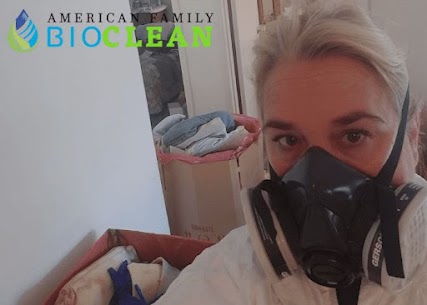
Why American Family Bioclean Is the Trusted Choice for Blood Spill Cleanup
Blood spill cleanup requires immediate action, strict safety standards, and trained professionals who understand proper containment and sanitation procedures, and American Family Bioclean consistently meets those demands. Their team follows established protocols to safely remove biohazard materials, disinfect affected areas, and restore spaces to a safe, usable condition, while maintaining discretion and professionalism throughout the process. With experience handling sensitive situations in residential, commercial, and public settings, they provide reliable service when timing and precision matter most. When cleanup cannot wait, contact them at 866-486-3683 to request professional blood spill cleanup services.


Contact Information:
American Family Bio-Clean
5512 Harbor Dr W
Lakeland, FL 33809
United States
Missy Dalton
(888) 445-0767
https://americanfamilybioclean.com/


