
Trauma Scene Cleanup in North Carolina: Focused on Safety and Care
Cameron, United States - February 3, 2026 / Moving Service Marketing Company /
Trauma scenes often leave families, property owners, and managers feeling uncertain about what needs to happen next. When an unexpected event occurs, the emotional weight can be overwhelming, and concerns about health and safety quickly follow. In North Carolina, trauma scene cleanup requires careful planning, proper training, and strict attention to safety standards to ensure the space is restored correctly. Taking the right steps early helps reduce health risks, prevents further damage, and allows the property to be used again safely. This guide outlines a step-by-step approach used by American Family Bioclean, focusing on careful handling, regulatory compliance, and respectful restoration that supports both safety and recovery.

North Carolina Trauma Scene Regulations
Trauma scene cleanup involves far more than basic cleaning. In North Carolina, these situations are governed by clear regulations designed to protect cleanup professionals, property occupants, and the surrounding community. Companies performing trauma cleanup must hold certification from the North Carolina Department of Health and Human Services (NCDHHS). This certification confirms that technicians have completed required training and understand how to safely manage biohazardous materials.
The certification process ensures that cleanup teams are prepared to handle blood, bodily fluids, and other potentially infectious materials without causing additional risk. These standards are in place because improper handling of biohazards can lead to the spread of disease or environmental contamination. Following approved procedures helps limit exposure and protects public health.
Regulations also outline how hazardous waste must be handled from start to finish. This includes identifying contaminated materials, using appropriate protective equipment, securing waste in approved containers, and transporting it to licensed disposal facilities. Each step must follow state and federal guidelines to ensure safety and accountability.
Some smaller companies may find these requirements challenging due to the cost of training, certification, and specialized equipment. However, these measures exist to prevent serious consequences, including legal issues, health risks, and environmental harm. The long-term benefits of proper compliance outweigh the short-term costs.
According to recent NCDHHS records, more than 120 licensed trauma cleanup companies currently operate in North Carolina. This reflects a growing industry that emphasizes professionalism, safety, and regulatory responsibility. For property owners, this provides reassurance that qualified services are available when needed.
State inspections and audits are part of ongoing oversight. Companies that fail to meet requirements may face fines or the loss of their licenses. As a result, professional cleanup providers invest in regular training, updated equipment, and detailed documentation for every job.
When selecting a trauma cleanup service in North Carolina, verifying NCDHHS certification is essential. Confirming compliance helps ensure that the property is handled by trained professionals who follow established safety standards and legal requirements. These regulations support not only proper cleanup but also broader community health and environmental protection.
With this regulatory framework in mind, understanding the step-by-step restoration process helps explain how trauma scenes are addressed with both care and precision.
Steps in the Gentle Restoration Process
Gentle restoration combines thorough cleaning with respect for the emotional sensitivity of trauma scenes. Each phase of the process builds on the last to ensure safety while limiting unnecessary disruption.
Step I: Assessment and Planning
The restoration process begins with a detailed assessment of the scene. Trained technicians evaluate the affected area to determine the extent of contamination. This includes identifying visible biohazards and potential hidden risks, such as fluids absorbed into flooring, walls, or furniture.
The assessment allows the team to develop a structured cleanup plan tailored to the site. This plan outlines safety precautions, containment methods, and cleaning techniques based on the materials involved. Proper planning reduces surprises during cleanup and ensures all risks are addressed efficiently.
Step II: Containment
Once the assessment is complete, containment measures are put in place. This step isolates the affected area to prevent contamination from spreading to other parts of the property. Plastic barriers, sealed doorways, and covered ventilation openings are commonly used.
Containment protects both occupants and cleanup professionals. Without this step, airborne particles or residue could move into clean areas, increasing health risks and expanding the cleanup scope. Effective containment keeps the work area controlled and manageable.
Step III: Removal of Biohazards
After containment, technicians begin removing contaminated materials. This includes blood, bodily fluids, and any porous items that cannot be safely cleaned. All removal follows OSHA guidelines to protect workers from exposure.
Contaminated items are carefully placed in labeled biohazard containers designed for safe transport. These materials are then disposed of at licensed facilities in accordance with state and federal regulations. Proper handling during this stage is critical to preventing secondary exposure.
Step IV: Cleaning and Sanitization
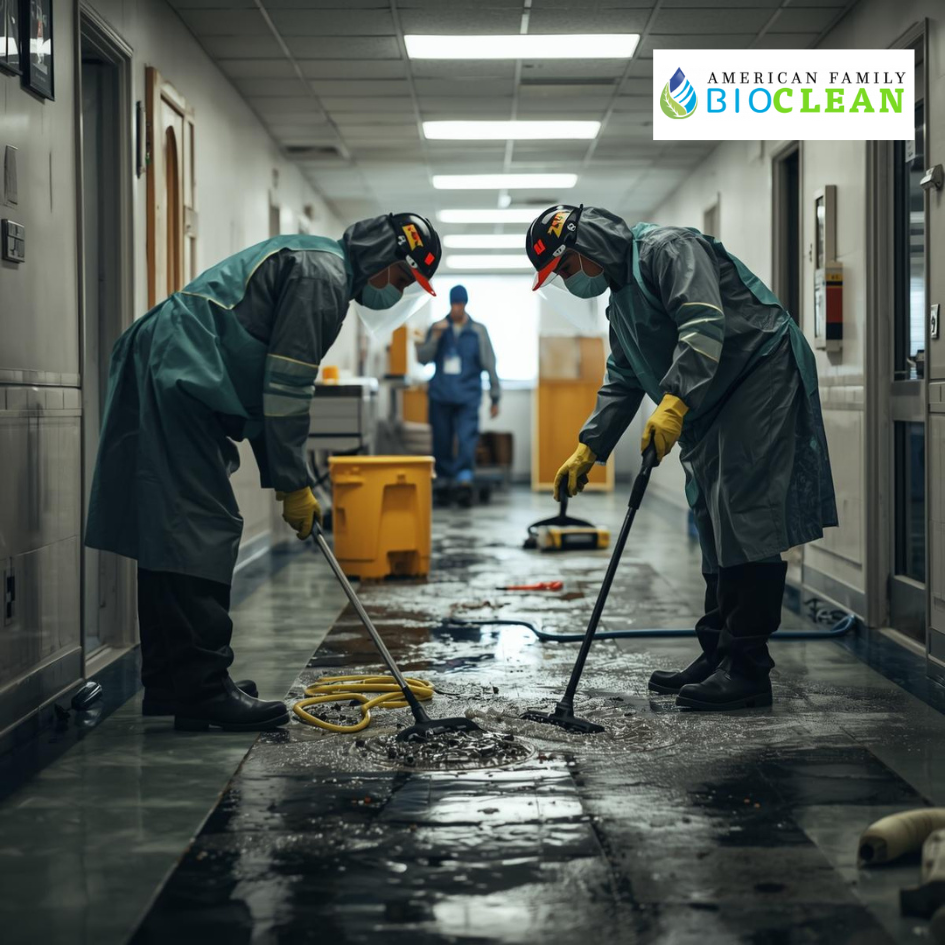
With biohazards removed, the focus shifts to cleaning and disinfecting surfaces. Specialized cleaning agents are used to eliminate pathogens while minimizing damage to structural materials. This balanced approach helps preserve the property while ensuring safety.
Manual cleaning targets high-contact surfaces, while sprayers or fogging equipment may be used to treat larger areas. This step addresses both visible residue and microscopic contaminants that could pose health risks.
Step V: Deodorization and Final Inspection
Even after cleaning, odors may remain due to absorbed contaminants. Deodorization methods such as ozone or hydroxyl treatments help neutralize lingering smells without damaging materials.
The process concludes with a detailed inspection. Technicians review all treated areas to confirm that cleanup standards are met and that no hazards remain. Once the inspection is complete, the space is considered safe for use.
Each stage of gentle restoration plays a specific role in returning the environment to a safe condition while respecting the seriousness of the situation.
Cleaning and Disinfecting Techniques
Effective trauma cleanup requires more than surface-level cleaning. Organic materials left behind can harbor harmful bacteria and viruses, requiring specialized techniques.
Enzymatic Cleaners
Enzymatic cleaners are commonly used to break down organic matter such as blood and bodily fluids. These products contain enzymes that target proteins and fats, allowing contaminants to be removed at a molecular level.
These cleaners are effective on a wide range of surfaces, including wood, tile, and fabric. Proper application is essential, as enzymes need adequate contact time to work effectively. In heavily affected areas, multiple treatments may be required.
Mechanical agitation, such as scrubbing, is often used alongside enzymatic cleaners to help reach deep into cracks and fibers. This combination improves overall effectiveness while limiting damage to materials.
Steam Cleaning
Steam cleaning provides another layer of disinfection by using high heat to destroy pathogens. The elevated temperatures help neutralize bacteria, viruses, and fungi without relying solely on chemicals.
Steam can penetrate porous materials, making it useful for carpets and upholstery. Technicians carefully control temperature and pressure to avoid damaging surfaces while achieving thorough sanitation.
When paired with enzymatic treatments, steam cleaning helps remove loosened debris and leaves minimal residue. This approach is especially helpful in spaces where chemical sensitivity is a concern.
Equipment and Tools Used
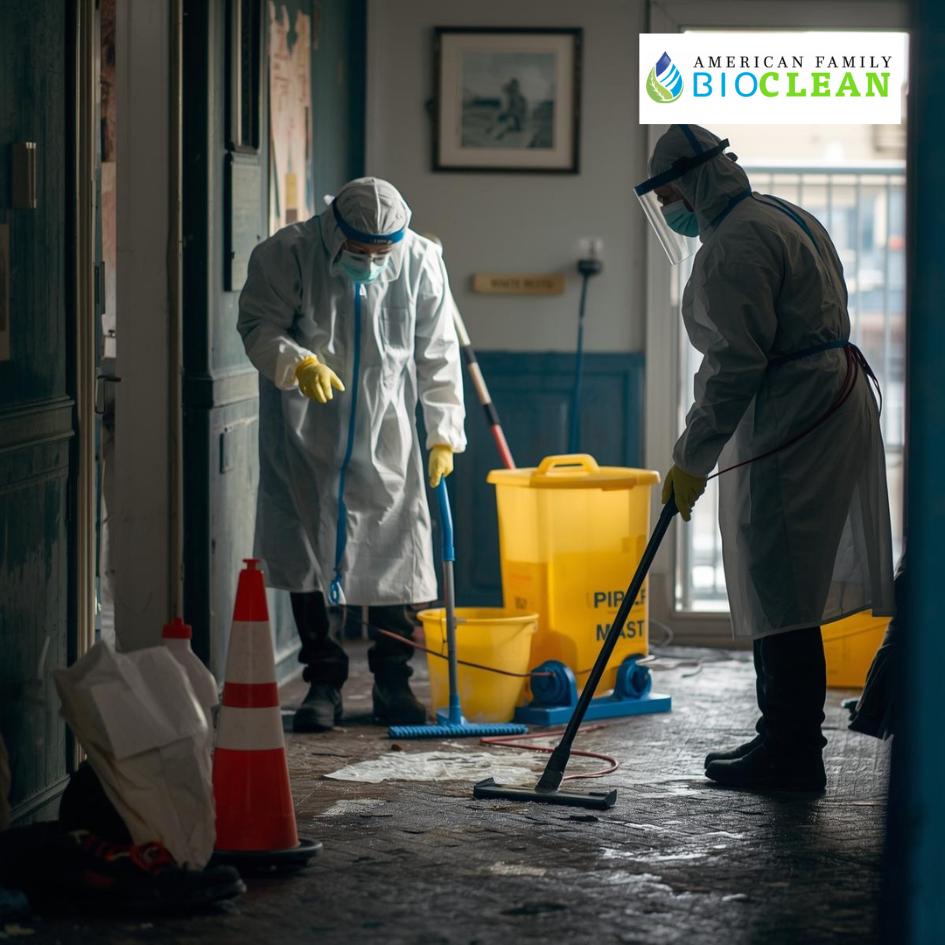
Proper equipment is essential for safe and effective trauma cleanup. Personal Protective Equipment, or PPE, protects technicians from exposure to hazardous materials.
Full-body suits shield skin from contact with contaminants. Nitrile gloves are preferred for their durability and resistance to chemicals. Respirators provide protection from airborne pathogens that standard masks cannot block.
- Full bodysuits protect against direct contact.
- Nitrile gloves offer strength and chemical resistance.
- Respirators reduce inhalation risks.
In addition to PPE, specialized tools support effective cleaning. HEPA vacuums capture microscopic particles, improving air quality during cleanup. These machines help prevent contaminants from becoming airborne.
Heavy-duty scrubbers and professional mop systems are designed to remove residue without spreading contaminants. All equipment used in trauma cleanup is selected for reliability, safety, and compliance with health standards.
Emotional Support and Professional Help
Trauma scenes affect more than physical spaces. Families, survivors, and cleanup professionals may all experience emotional strain. Recognizing this impact is an important part of responsible restoration.
Emotional responses such as anxiety, grief, and stress are common after traumatic events. Providing access to counseling resources or referrals helps support recovery alongside physical cleanup.
Cleanup teams also benefit from emotional support systems. Regular training, open communication, and access to mental health resources help reduce burnout and maintain professionalism in challenging environments.
Effective emotional support includes clear communication, access to trained professionals, education about common reactions, and follow-up resources. Addressing emotional needs alongside physical cleanup supports long-term recovery.
Ensuring Safety During Cleanup
Safety is central to every stage of trauma scene restoration. Technicians must be trained to handle biohazards, chemical exposure, and structural risks.
Certifications from organizations such as OSHA and the American Bio-Recovery Association ensure that technicians understand proper procedures. Ongoing training keeps teams current with evolving regulations and best practices.
On-site safety protocols include correct use of PPE, proper waste disposal, and air quality monitoring. Teams also assess structural hazards and environmental risks before beginning work.
Clear communication among crew members helps address unexpected challenges quickly. This focus on safety protects both workers and property occupants while supporting effective restoration.
Trauma scene cleanup in North Carolina requires a careful balance of technical skill, regulatory compliance, and respectful handling. By following established regulations, using proven cleaning methods, and prioritizing safety and emotional well-being, professional restoration teams help return affected spaces to safe, usable conditions. A structured, gentle restoration process ensures thorough cleanup while minimizing additional stress, supporting both physical safety and the path toward recovery.

Why Families and Businesses Depend on American Family Bioclean for Biohazard Cleanup
Handling trauma scenes in North Carolina requires a careful balance of safety, discretion, and compassion, and American Family Bioclean approaches each situation with a gentle restoration mindset. Their trained technicians follow strict biohazard protocols while remaining mindful of the emotional weight these environments carry, ensuring affected spaces are cleaned, disinfected, and restored with respect and care. Serving both families and businesses, they provide reliable support during difficult moments by focusing on thorough sanitation without unnecessary disruption. When a trauma scene requires professional and considerate cleanup, contact them at 910-629-2272 for trusted biohazard restoration services.
Contact Information:
American Family Bio-Clean
223 Stella Way, Cameron, NC 28326, USA.
Cameron, NC 28326
United States
Tyler Ennis
https://americanfamilybioclean.com/north-carolina/



